Porcelain vs Ceramic vs Natural Stone Tiles
Choosing the right tile material is one of the most important decisions when planning a new space. Porcelain, ceramic, and natural stone all offer attractive finishes, but their differences in strength, durability, and porosity mean each is best for specific uses.
Ceramic Tiles
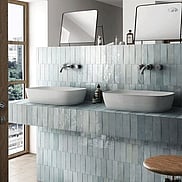
Ceramic tiles are made from clay and fired at lower temperatures than porcelain, making them lighter and less dense. Their strength is suitable for interior walls, but most ceramics are not suitable for floor use as they can chip or crack under heavy loads. Ceramic is mainly recommended for wall areas and splashbacks.Glazed surfaces on ceramic tiles seal them from moisture and make cleaning simple. However, if the glaze chips, the tile below is more likely to get damaged than porcelain.
Natural Stone Tiles
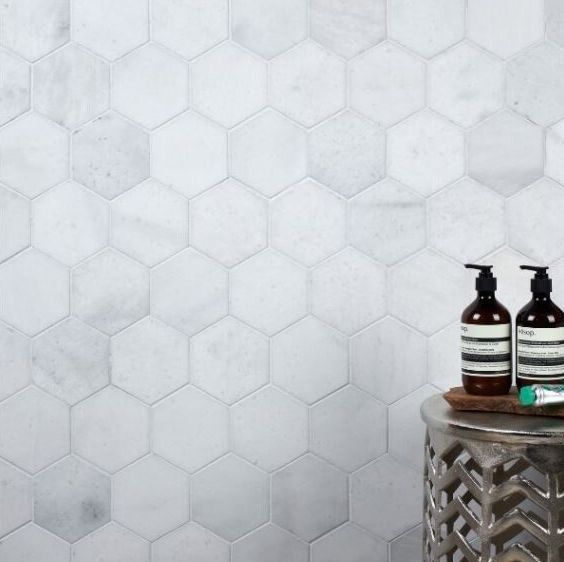
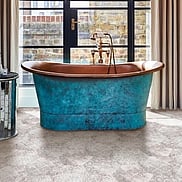
Natural stone tiles work well on both walls and floors and are generally stronger than ceramic. However, 'natural stone' covers many types – such as marble, granite, slate, travertine, and limestone – and their durability will vary. Some stones are harder than others and may need extra care and maintenance.Natural stone is naturally porous, so it can absorb water and stains if left unsealed. For this reason, stone tiles should be sealed before installation and resealed regularly to keep them looking their best and protect against spills.
Porcelain Tiles
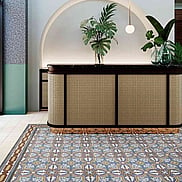
Porcelain is the most robust and versatile of all three types. Made from refined clay and fired at high temperatures, porcelain tiles are much denser and have very low water absorption. Thanks to this density, porcelain is tough, resistant to impact and heavy use, and suitable for almost any area – including walls, floors, hallways, shops, and even outdoor spaces when designed for exterior use. Many porcelain tiles are coloured throughout, so if they chip, the damage is less obvious than with glazed ceramics. Comparing Strength And Porosity
To summarise, ceramic tiles are best for walls and light-use areas. Natural stone tiles are strong enough for most floors, but their suitability depends on the type of stone. Porcelain tiles are the strongest, offering the widest range of uses. With water absorption, both porcelain and ceramic tiles often have a glazed layer to keep out moisture. Porcelain’s dense body makes it particularly good for wet areas like bathrooms and outside spaces. Natural stone needs to be sealed to prevent staining and usually needs more regular care than porcelain or ceramic.
The Myth of "Bathroom Tiles" and "Kitchen Tiles"
Many tile retailers categorise their products as Bathroom Tiles, Kitchen Tiles but these labels are designed to help you browse rather than dictate where a tile can be used. The suitability of a tile depends on its material, strength, porosity, and finish—not the room it is displayed under on a website.
Following the guidance above, any room can feature porcelain, ceramic, or natural stone tiles, provided their properties are suited to the application. Ceramic tiles are ideal for walls in kitchens and bathrooms, porcelain is suitable for almost any wall or floor, and natural stone can be used throughout the home—including bathrooms—provided it is correctly sealed and maintained.
Rather than limiting your choices with room-based categories, we believe it's more helpful to understand the characteristics of each material. Once you know the strengths and limitations of porcelain, ceramic, and natural stone, you can confidently choose the right tile for any space based on its performance, appearance, and maintenance requirements.
Understanding Grout Lines
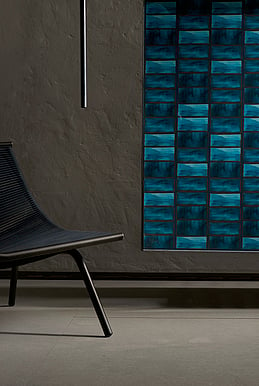
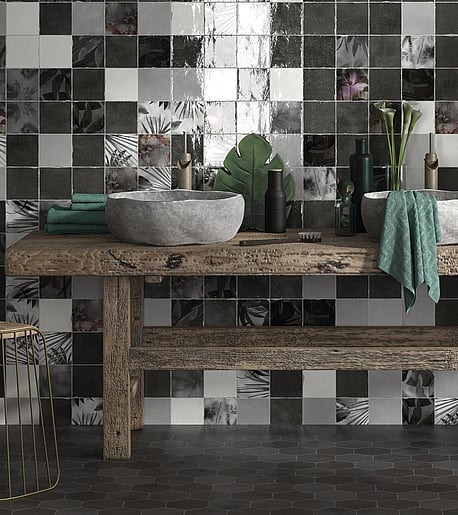
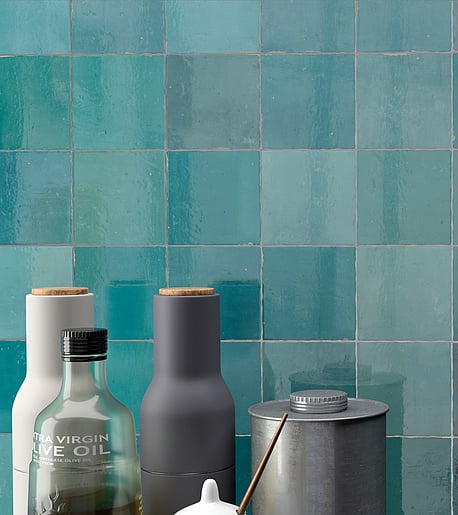
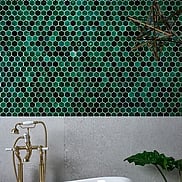
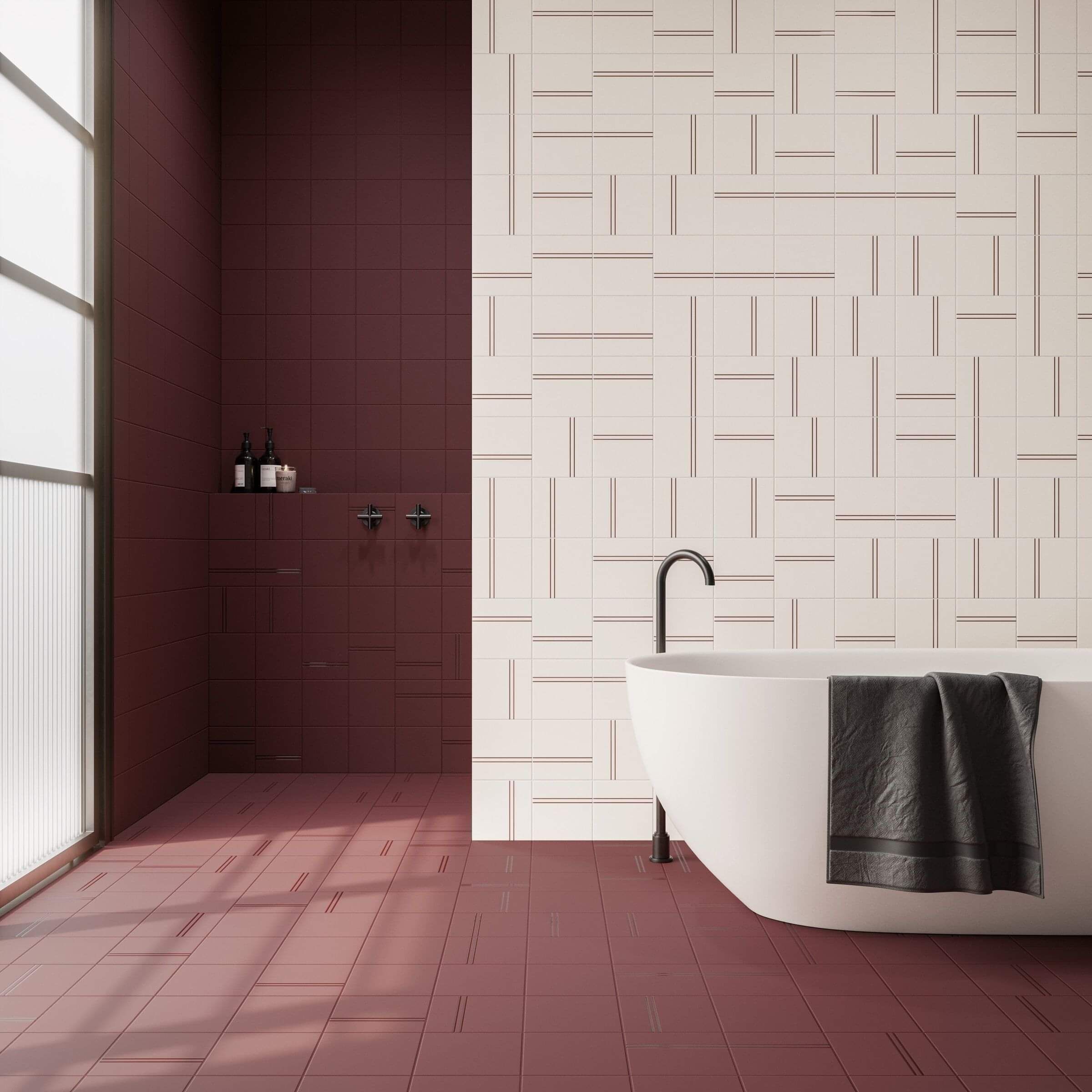
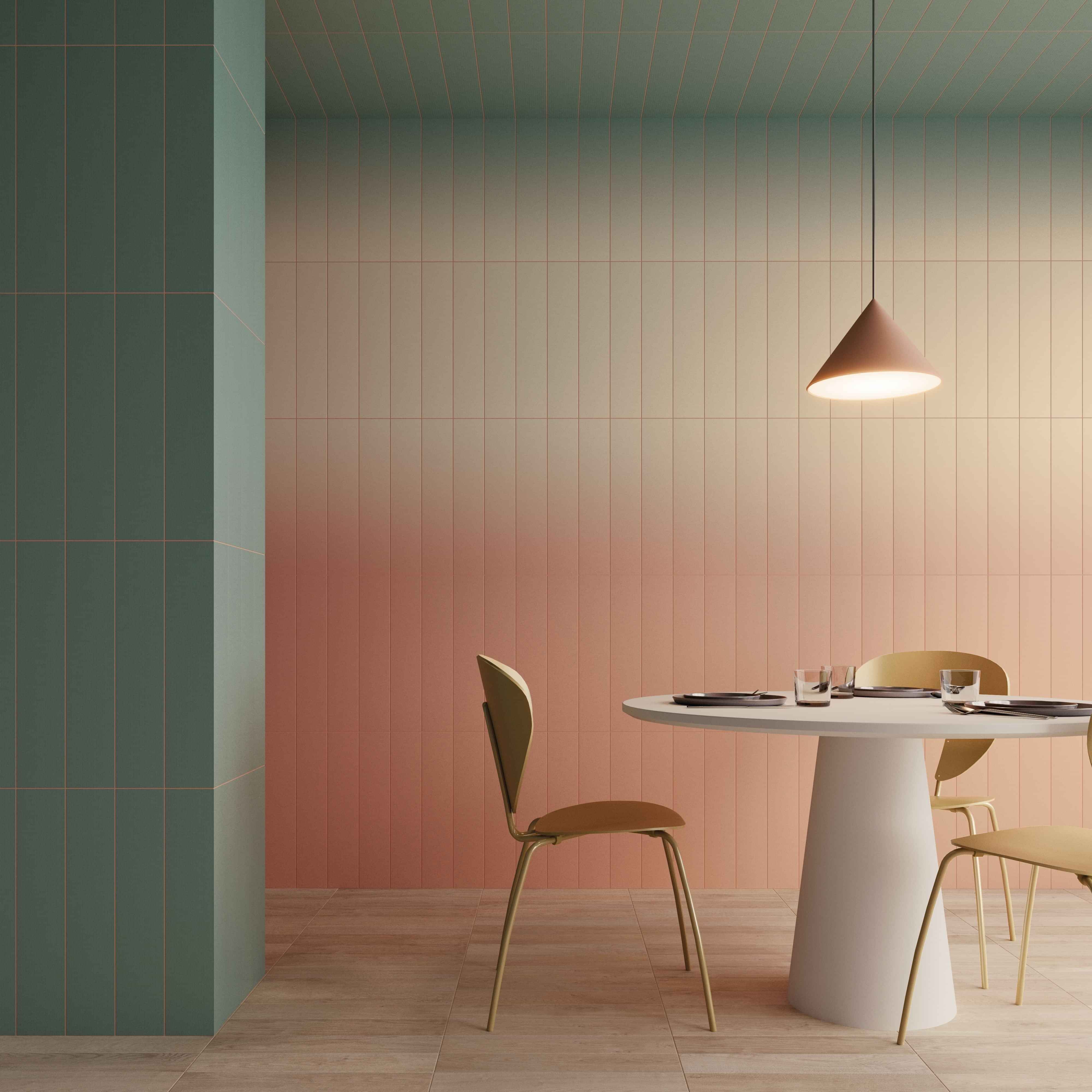
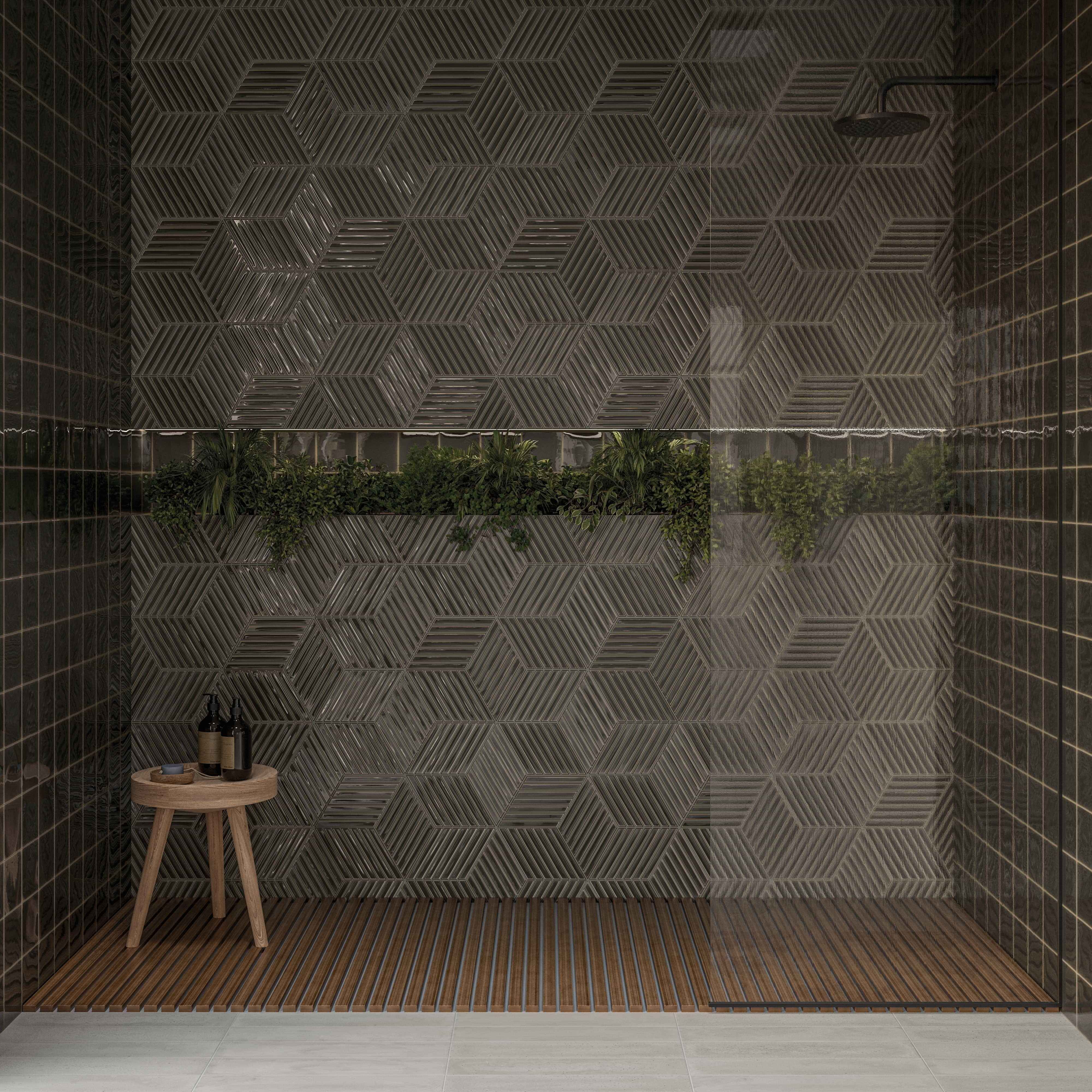
One important factor to consider when choosing tiles is the size of the tile and the effect its grout lines will have on the finished design. Smaller tiles naturally require more grout joints, creating a busier appearance that can draw attention away from the tile itself. This effect works well for feature walls, making them stand out in your space.
Larger tiles require fewer grout lines, allowing the surface to appear cleaner, more open, and more seamless. As tile sizes increase, the number of grout joints decreases even further, helping to create a continuous look that allows the colour, pattern, or stone effect of the tile to take centre stage. This is one of the main reasons large-format tiles have become so popular in modern interiors.
Grace,
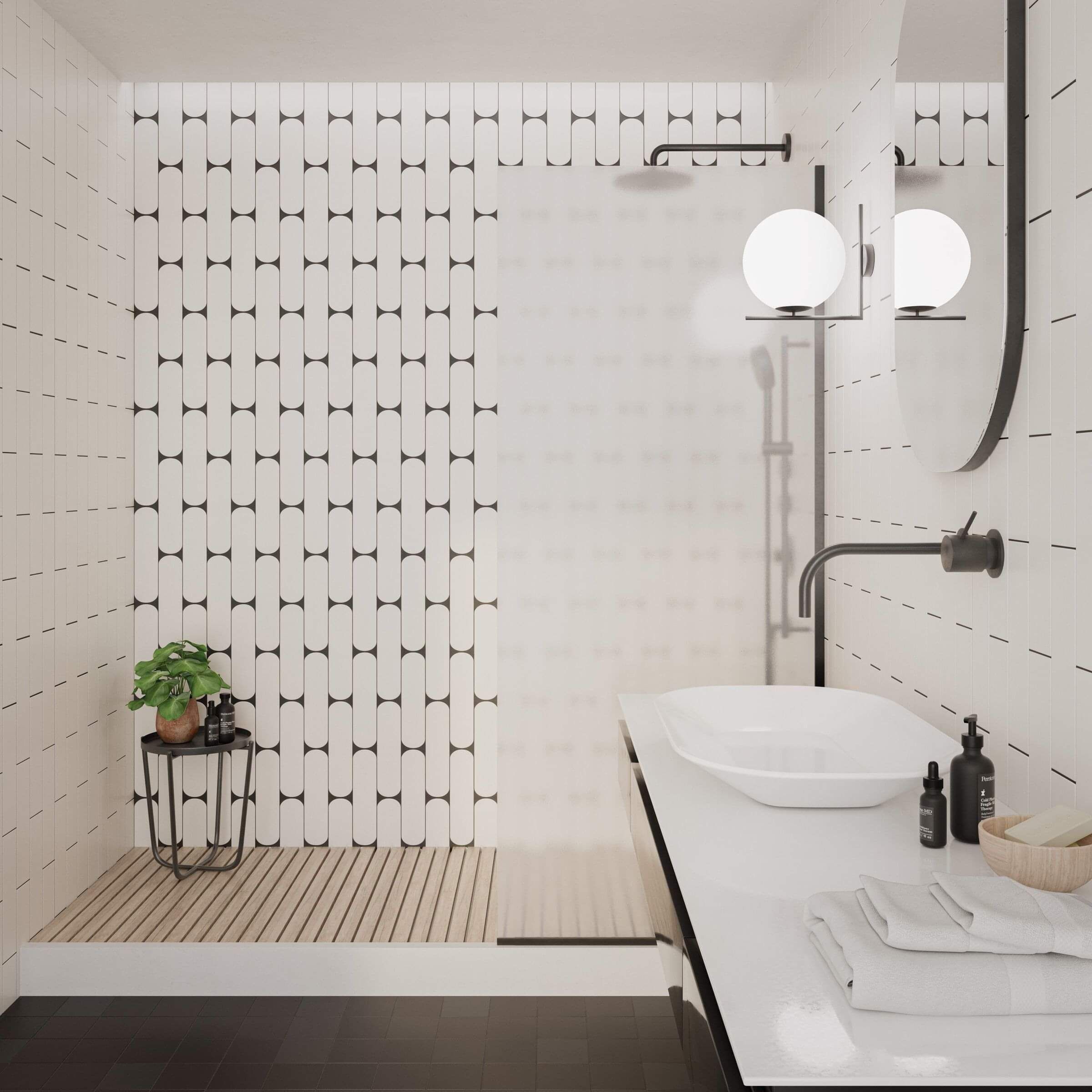
An exciting elongated Oval Shaped Tile
Available in Seven colours in both gloss and matt finish.
If oval is not your thing, all the colours are available in a matching rectangular tile.
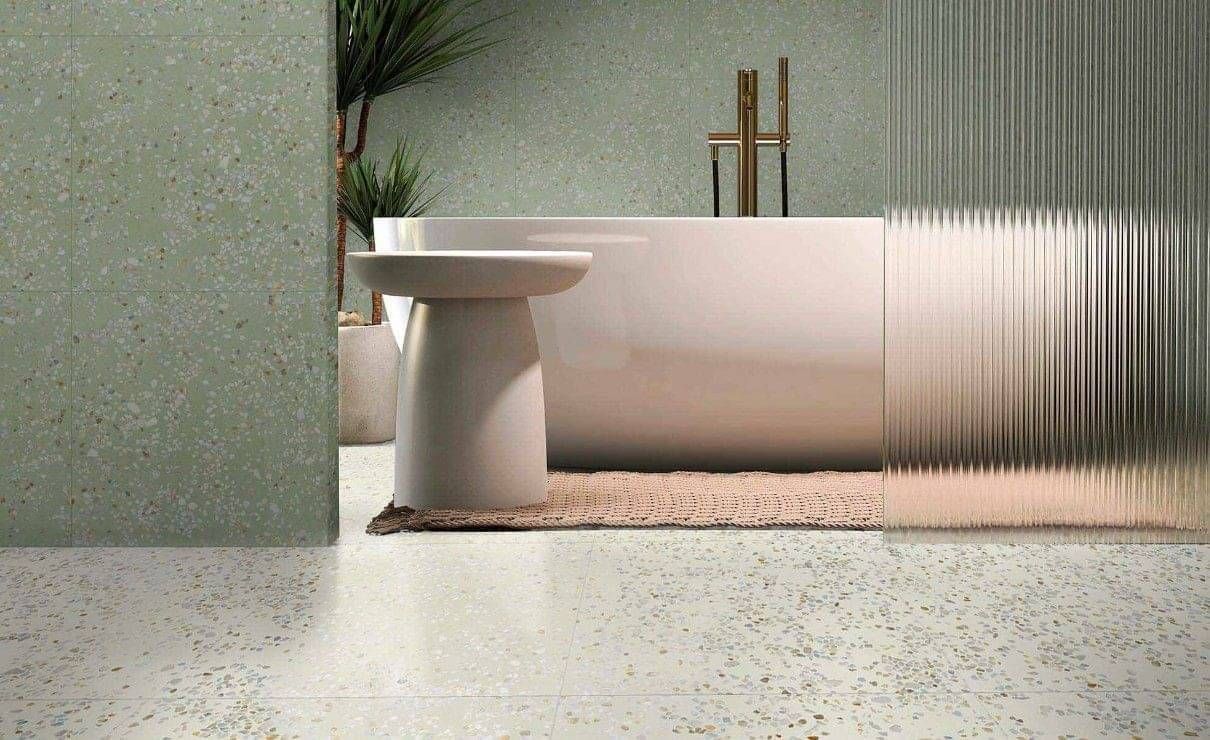
Trendy 60 x 60 cm
The Trendy series reinterprets handcrafted terrazzo tiles in a modern and contemporary way, with new shades and formats that increase their versatility for all kinds of project
Ceramic Wallpaper
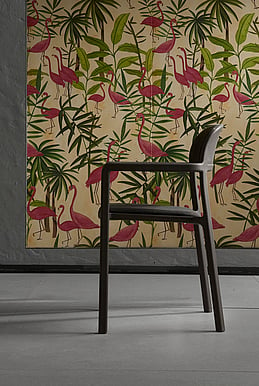
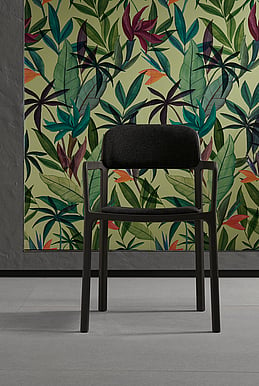
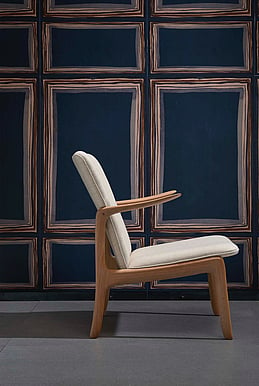
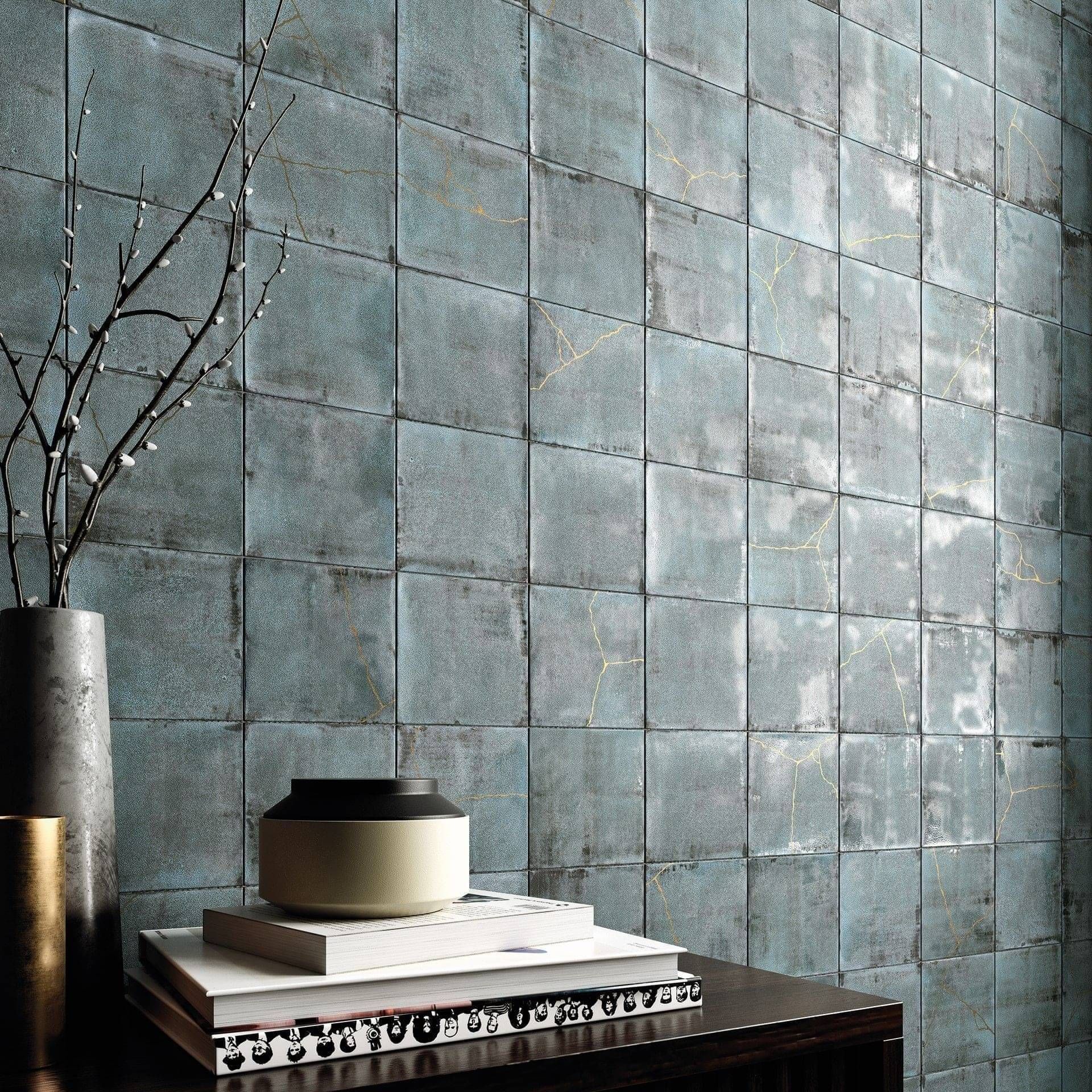
60 x 120 cm in size this collection combines different styles , from natural to retro inspiration .
This design meets new possibilities to create continuous surfases that flow on the ceramic materal without interruption, creating rich colour coverings with a wallpaper effect.